This little girl grew up in Nazi Germany, in the chaos of a world war.
In 1947, she immigrated to the United States.
She is my Mother.
I didn’t hear her bedtime stories about happy times growing up in a peaceful suburban setting or a childhood on a pastoral farm.
I heard stories about bombs and hunger and madmen taking over a country and doing unspeakable things to people who were different.
I know my Mother told me all this so I could bear witness after she had left this earth. She wanted for someone to remember the cruelty and the horror she lived for too many years.
My Mother had a front-row seat to cruelty. She helped translate the testimony of war criminals at the Nuremberg trials.
When she first came to America, she helped scientists with the rocket program at Vandenberg Air Force Base.
Later, she started several small businesses. What I remember best were her years running an employment agency. She helped many disadvantaged and displaced workers who needed one small step up to be productive again. She was a tireless advocate for those who needed the most help.
I thought of my Mom when I voted last weekend. You might wonder how the son of an immigrant might choose his candidates.
It was simple, really. I heard my Mother’s voice.
Pick those who have compassion for others and an ethical character in the way they live their life.
Pick those who have a strong moral foundation.
Pick those who seek to create unity and seek peace before the easier path to violence.
It’s not political this time around.
We’re not blue or red.
We are, most of us, the sons or daughters of the immigrants who shaped America.
My Mother’s name is Irene.
I ask that you honor her memory when you vote carefully in the weeks ahead.
Ken Mitchell
From Irene’s journals:
Under order from the Nazi party a “Nazi” spy was added to our office staff to monitor our conversations. He was a rude and ignorant person with no skills. His sole duty was to observe us and make sure that no one said anything bad about Adolph Hitler and the Nazi party. I can still see him in his Nazi uniform, standing by the entrance to the door and making sure that instead of our usual “good morning” greetings we would greet each other with “Heil Hitler”.
He carried a small notebook and often made entries of what he had observed during the workday. When the Jewish merchants were driven out of business we saw the windows being smashed from our 12th floor office. There were many Jewish stores in our neighborhood and after their stores were destroyed they were taken away under protest and tears.
We were shocked when we saw what was happening, but with the “spy” in our midst, no one dared to say anything for fear of retributions from the Nazi Party. Everyone had started to live in constant fear of the government and its political leaders.
My father (not the earthly one but the Good One who watches over us all) created wings for me - soft but strong, sculpted out of golden wax. He sent me free to fly with one caution: remember Icarus - do not get too close to the sun.
But the sun’s irresistible song drew me ever nearer to the blinding light as I aged – not so close as to burn up, but enough to soften the wax. I realized that these irresponsible flights towards the sun might destroy my wings entirely, so I began to create feathers to attach to the deformed, melting places.
The first feathers I wove together from cedar boughs, sticking them on to the softened wax. I gave these feathers names: Regularity. Responsibility. Respectability. With my weighted wings, I could still soar, but not as high. And then a voice began to whisper in my ear,
I can still see your sculpted wax, and that makes you dangerous. Perhaps you need more feathers.
So I succumbed to its seductive voice and crafted more cedar feathers with names. Safety. Normalcy. Security. I did not let myself think about the sun, focusing instead on covering my dangerous nature. The weight of the wings labored my breath,
and I became earthbound.
But then one night in a small library on the Lummi Reservation, you began your own redemption story embellished with a raw Twinkle Twinkle Little Star just as I had once played the tune on my first childhood violin. And I became the little girl who played Tchaikovsky’s Sleeping Beauty Waltz at 33 1/3 RPM on the turntable. Once again I felt the shudder in her skin as the notes floated out of the inadequate speakers, transporting her to the dance floor where she had just lost her slipper, except now the prince had gone.
Sorrow overtook me as that childhood nursery tune morphed into a lament flowing from your fingers on the strings, and your sorrow became mine, drenched now in a river of tears, an uncontrollable flood underneath a bridge of what once was.
I remembered the music composed by my own small hands before I had a musical language.
I remembered the little girl before the fall - before the damage - before the world had its way with her and stole her voice.
And I remembered her unfettered desire for flight.
I am too old now to fly that closely to the sun, but I did once -
and I will again.
And your lament will carry me there, note by note, safely into the blinding light.
As a white woman of a certain age and privilege, I find myself trying to unravel why I hold the attitudes and views of the world that I do, and it has me reflecting on how life as a military brat shaped me deeply
A few years after my birth, my mother and my three brothers and I joined my father in Yokohama, Japan. I loosely recall his job had something to do with bridging the gap between the local culture and the military. Because both my parents worked, even as a young child I spent a fair amount of time wandering through the Japanese neighborhoods near us and always felt lovingly embraced and welcomed by local families. Whether in my dance class or simply walking the street, I was the other - always seeing faces that did not look like mine and experiencing cultural customs that would be unusual here.
“Being the other” became part of my ordinary existence in those early, formative years, and I always felt loved and accepted as such.
A move to back to the United States to Lompoc, California found us living in low-income tract housing across from sweet pea fields. When children gathered to roam, as we were encouraged to do in the 50’s, our playmates were a mix of kids who looked like us and the children of farm workers and service workers. We played easily together without concern.
When we moved to Salinas, California, the “Lettuce Capital of the World,” my family’s home was located literally across the train tracks that divided our town into the “haves and the have nots.” Our neighborhood was a mix of other military families of different races and cultures. A predominantly Hispanic neighborhood was up the street, so our school experiences through middle school were again a mix of races all made equal by the fact we all lived “on the other side of the tracks.”
It was not until I was assigned and bussed to a different high school for “better academics” that I encountered the children of the power brokers in Salinas, a group that was predominately white and privileged.
It was my first experience of feeling like an outsider in a group to which I supposedly belonged.
I made my own clothes, never went to parties after my first experience of the drinking habits of the popular crowd, and because of my experiences growing up, felt decidedly uncomfortable in groups that looked like me.
Perhaps that is what drew me to early jobs as a teenager…working with the March of Dimes or being a classroom helper at the summer Headstart program for Migrant Children. During the lettuce boycotts of the late 60’s, I found myself cheering on the efforts of Caesar Chavez and the United Farm Workers rather than commiserating with the sons and daughters of agricultural aristocracy.
I wonder now if my beliefs and values would have been different had I grown up in an insulated, homogeneous community.
I will never know.
But my guess is that the die was cast when my father married an immigrant woman who later became an entrepreneur during an age when being a “trad wife” was the norm.
The die was cast when my exposure to a wider world expanded my vision for what humanity looks like.
And the die was cast when people who didn’t act, speak, or think like me embraced me like one of their own and welcomed me into their hearts.
Having been “the other” and been loved deeply anyway, no other choice existed for me than to love equally in return.
And for that, I have the transitory life of a military brat to thank
We are in an age right now where big personalities dominate the news cycles, over the top lifestyles garner headlines, and excessive egos demand monuments and trophies - an insatiable quest to be more, have more, be noticed more.
But to what end?
The obsession with wealth and attention has brought King Solomon to my thoughts these days. Here was a ruler who possessed more of everything you can imagine. And yet at the end of his days, repeatedly he used the word meaningless to describe the extravagant excesses of his life and declared all of his striving was “chasing after the wind.”
All his treasures did not bring him peace or a sense of satisfaction.
Now, I too am closer to the end of my days than the beginning. And in this time of searching for the meaning of life that inevitably creeps in as we age, I have ceased striving for more and have turned my attention to a different quest.
Chasing after the ordinary.
It is a journey that has required living a smaller life. The two closets in our 1,000 sq ft home are mostly empty. The collectibles and books have gone to the-next generation of accumulators. The meals cooked are simple. Because maintaining this downsized space requires little energy or attention, I am now free to wander a much wider world seeking the richness of the ordinary.
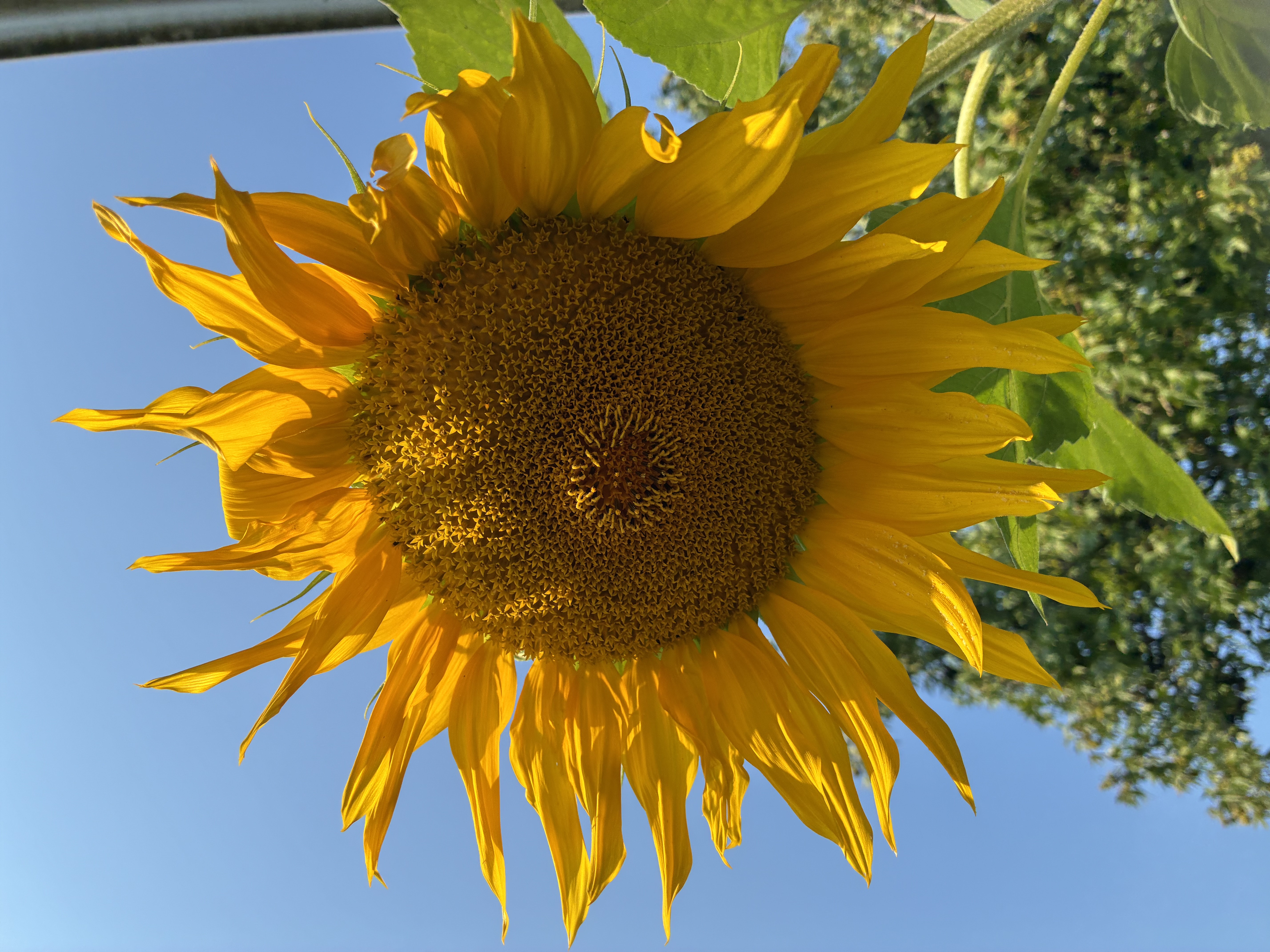
I note the blossoming poppy in my garden unfolding each day from its shaggy cocoon and transforming into the golden flower of my youth, and I think to myself:
this is extraordinary, and this is sacred.
I pass a tattooed girl on the trail and listen to her excitement as she speaks of wedding preparations. I watch her face change and softly glow, and I think to myself:
this is extraordinary, and this is sacred.
I sit in silence, watching the sky and clouds shift shape in an atmospheric wind, and I think to myself:
this is extraordinary, and this is sacred.
I freely confess that this is written from the perspective of an incorrigible introvert, so the whole “be still and know” thing is probably more natural for me. But I also know that we all exist in the noisy, competitive, attention seeking world that clamors for our focus these days.
And perhaps this is just the right time to embrace being ordinary and not to be consumed by legacy, or leaving a mark somewhere, or being immortalized. Perhaps this is the time to turn away from the flashy and the loud and step towards the natural world to notice simple things – a flower opening, a mother rocking a child, the changing of a river flow. These ordinary rich moments bring meaning to a world filled with out-of-control appetites for attention.
Anxiety and striving give way to deep rest when we notice the sacred ordinary, both in the world and in ourselves.The practice of becoming and noticing the ordinary will never bring headlines or accolades, but it is a well spring of immense joy, overwhelming gratitude, and deep peace.
If I practice every day, perhaps my last thought will be,
A surprise treatment at the emergency room left me feeling a bit depleted in energy and wrapped in a blanket of self-pity. Still, as all of you know, life still goes on. Appointments on the calendar still needed to be kept, groceries still need to be replenished, and, of course, the dog still needed exercise.
Yesterday, that meant both of us driving to town for an early morning car repair and then finding a place for a dog walk to kill the proverbial two birds with one. Unfortunately, the only place available was an uphill trail unknown to us. I told myself that if I went very slowly, one step at a time, our dog Zuni would enjoy the sniff time, and I could make it to perhaps where the trail leveled out.
An inner litany of complaints filled my head, and I held a pity party at every step. Finally, we reached a more level path on which we walked only a brief time before I was depleted and turned round. Reaching the hill we had recently climbed, I felt a deep sense of accomplishment remembering my slow crawl up carrying my bad attitude like a backpack.
Just as we started down, a very elderly man with a shock of white hair and thin bones came into view, walking determinedly upward with a slow, bouncy step. A broad hat covered his head, whose wide brim could not compete with the width of the smile on his face.
When he got closer, I remarked that the way downhill would be much easier than the up, hoping to encourage someone I perceived to be significantly older and more frail than I. As though he had just won first place in an Olympic event, he instantly shot both arms up into the air for a double high five, widening his impressive smile. I slapped his raised right hand to signal he was doing an excellent job, though he obviously did not need a cheerleader.
“This is only the beginning. I am on my way to swim in the pond. Have you ever done it?”
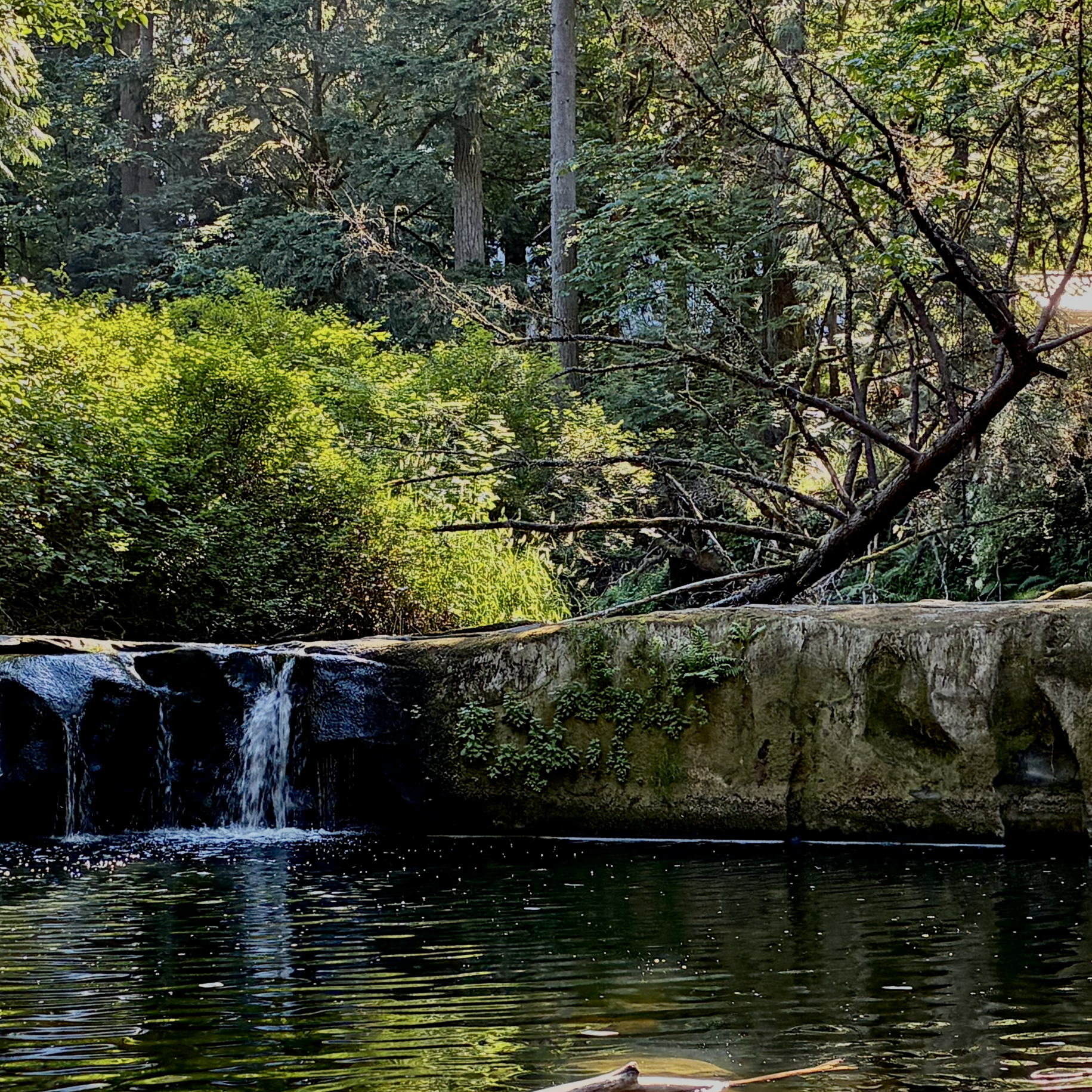
I hid my incredulity. As he petted our dog, he eagerly extolled the rewards of a swim in a pond formed at the base of a small waterfall and then gave directions to us. Eager to get back to the car, I told him to enjoy his swim. As he shuffled off, I turned around to observe him, reflecting on when I first watched him trudge up that hill.
My journey up that same hill was filled with a litany of complaints, and my inner weather was dark and dreary. But even though the man in the broad hat appeared older and more physically compromised than I was, his journey up that same hill was filled with complete and utter joy that he was going to have a refreshing swim in what must be the chilly waters of a creek-fed pond.
It’s a funny thing.
On the way up the trail, I never noticed my favorite smell of ripening blackberries in the fading summer. On the way down, I now noticed their overpowering scent once again, but it was commingled with a new aroma:
the fragrance of joy
left in the wake of a man soaked in gratitude.
Engulfed in its glorious perfume, the rest of my day became lighter, less troubled by my own woes, and filled with eagerness to find my own metaphorical pond of joy in which to swim.
During the worst of the Covid pandemic, the only safe activities for social distancing were in the great outdoors. For my husband and I that meant regular visits to Deception Pass State Park in Washington, a place filled with so much natural beauty that a soul could get lost for a moment and forget the travails of the world.
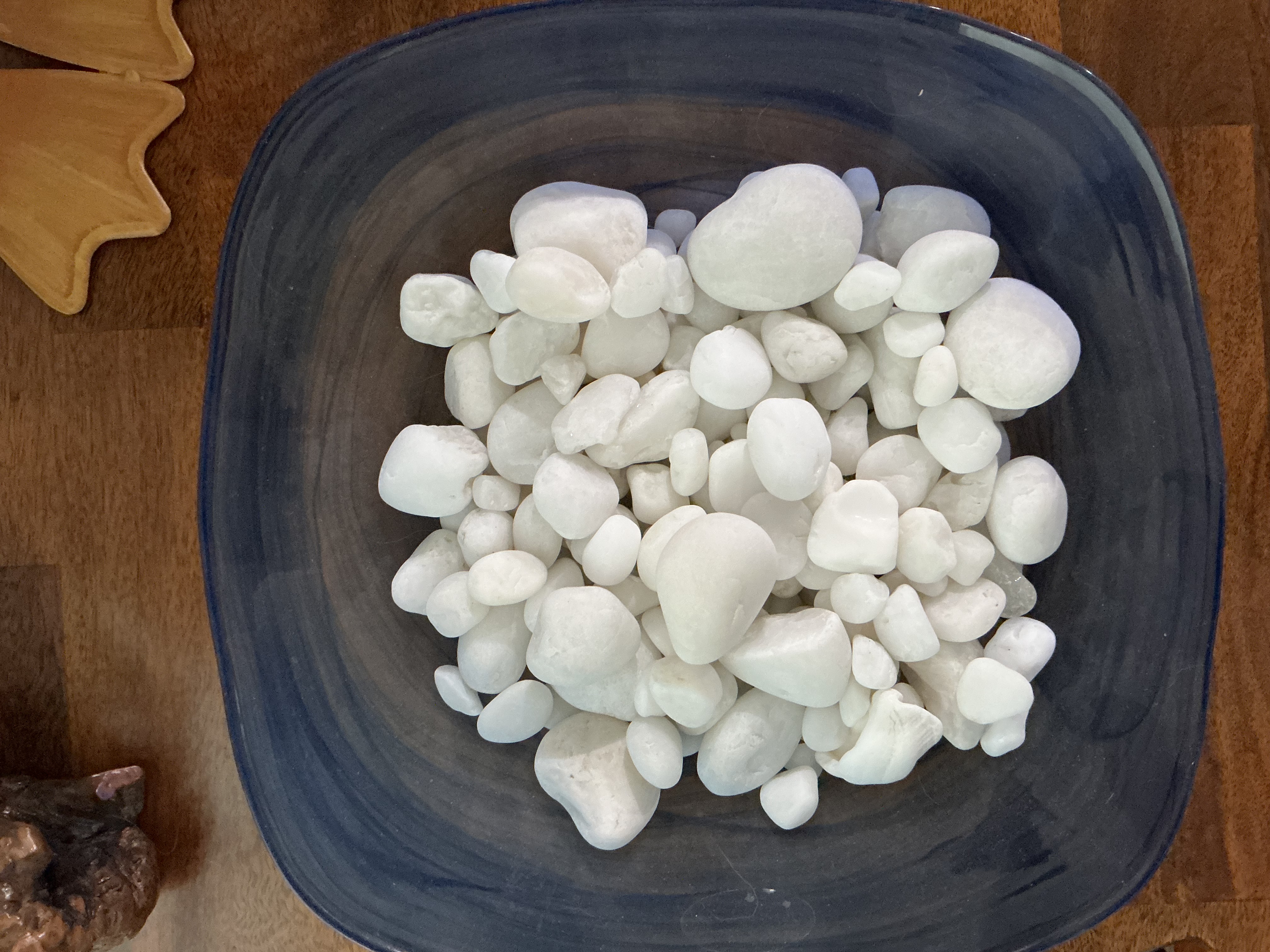
During this time, my husband discovered a love of looking for small rocks on the beach out past the boundaries of the park. But not just any rocks – they had to be unblemished white rocks. One tiny, stained spot was enough to send it to the discard pile.
Thankfully, the worst of the epidemic passed, but today, when I felt my heart starting to cave in from all of the craziness of this world, Deception Pass called to me once again. I checked the tide charts and found an early morning minus tide, and I blew off my whole day’s plan in a desperate need to find some peace once again on the shores of the sea.
Because my husband shares a passion for Deception Pass, I asked if he wanted to accompany me and search for white rocks. His lukewarm response surprised me. When I sought clarity, he revealed his reason for jettisoning the event: the last time he went, he did not find a single white stone, and he did not want to be disappointed again.
My translation?
He was afraid to hope.
I must admit he’s probably not alone in that fear. When you wake up day after day after day to yet another round of inconceivable crimes against humanity, I totally understand how it would be hard to consider the possibility that tomorrow might be better. But here’s the thing about letting the fear of disappointment rob you of hope.
Sometimes hope is waiting for you on the other side of the fear.
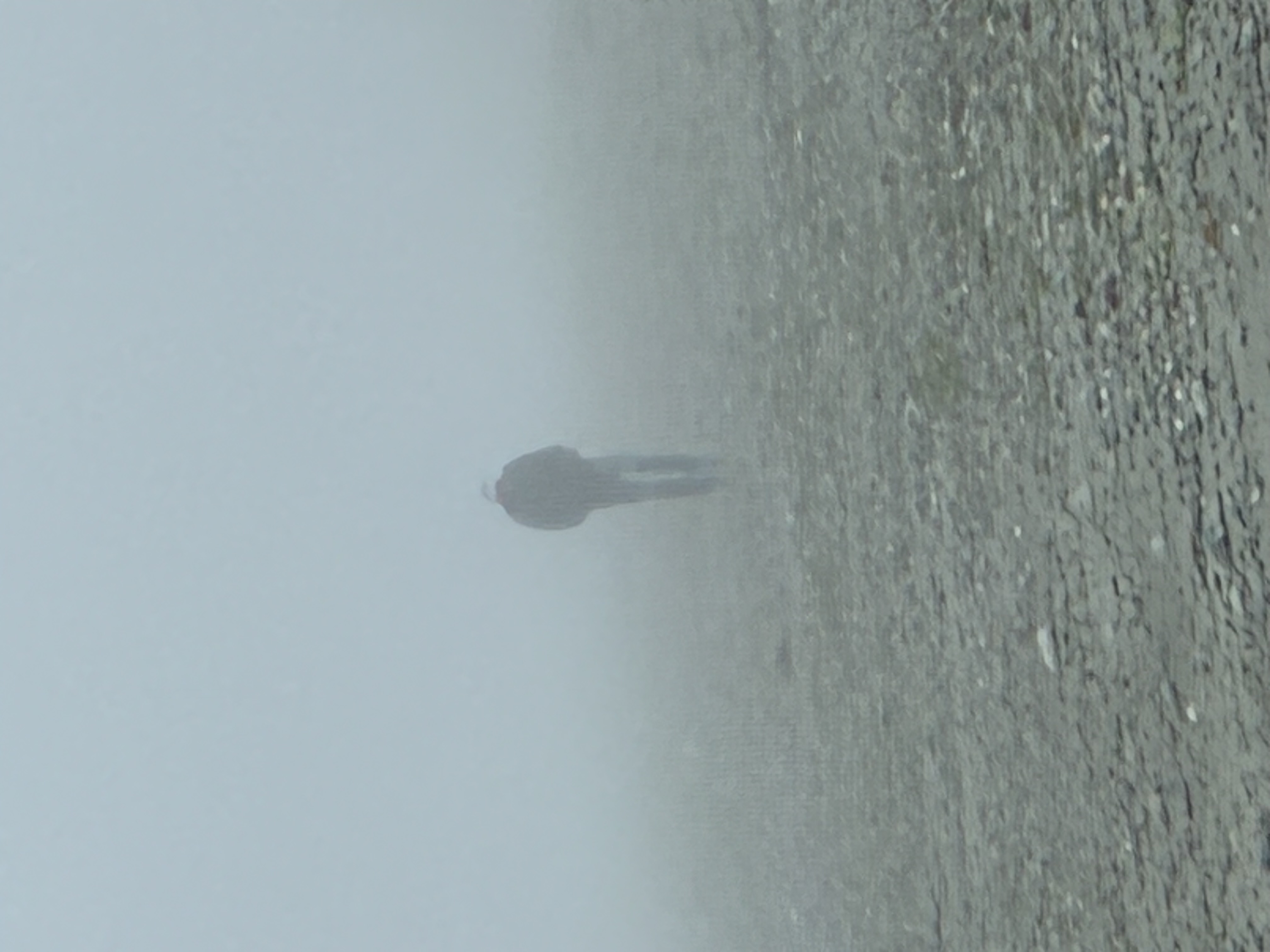
After some discussion, my husband finally chose to go, mostly because the weather app predicted a clear, sunny sky at the beach. When we arrived, thick fog obscured the shoreline, and a breeze created a sharp bite to the air. Not an auspicious sign. But we walked in the fog anyway. trudging through the sand and shore debris to make our way to a shoreline we could not yet see.
Within minutes, we encountered a beach littered with more white stones than we had seen in all our years of going there. And though I am not by nature a collector of stones, I filled up my pockets as the dog and I walked ahead. When I turned around, I saw my husband in the foggy distance stooped over the rocky sand and waited for him to catch up. When he met up with me, I pulled the stones from my pockets and shared them with him, watching as he carefully examined each one, keeping a majority and declaring them good.
A fear of disappointment almost kept my husband from the joy of this bounty today, and in reality, it is not just my husband who struggles with daring to hope. Our country in these desperate times is itself enshrouded in a fog of fear. People in power traffic in lies and thrive on confusion. And there are times every single day when hopelessness creeps into the psyche of even the most seasoned optimist.
But to lose sight of hope because of the fear of disappointment robs us of the very fuel we need to survive these challenging times. Whatever stone we hold dear, we need to take the first step toward it because the promise of unblemished hope litters the path beneath our feet.
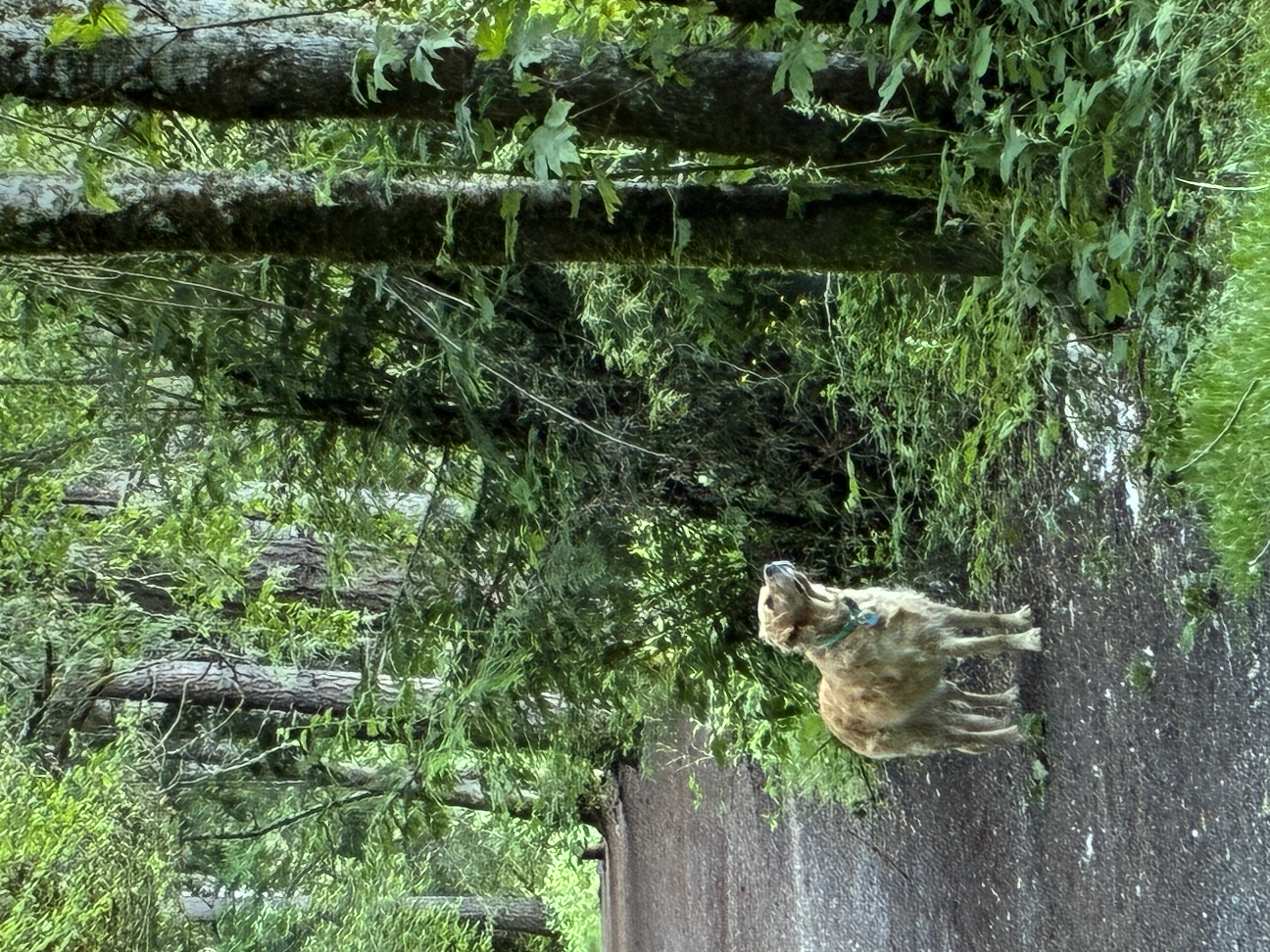
When we arrive at the parking lot, there are two other cars arriving at the same time. One occupant is a confident young woman who opens her door and starts to tie her running shoes. The other occupants are a middle-aged couple with a small pug on leash. A gate marks the entrance to the trail along the lake, and we all cross the starting line at the same time.
I have only one agenda item for the walk this morning:
Get exercise.
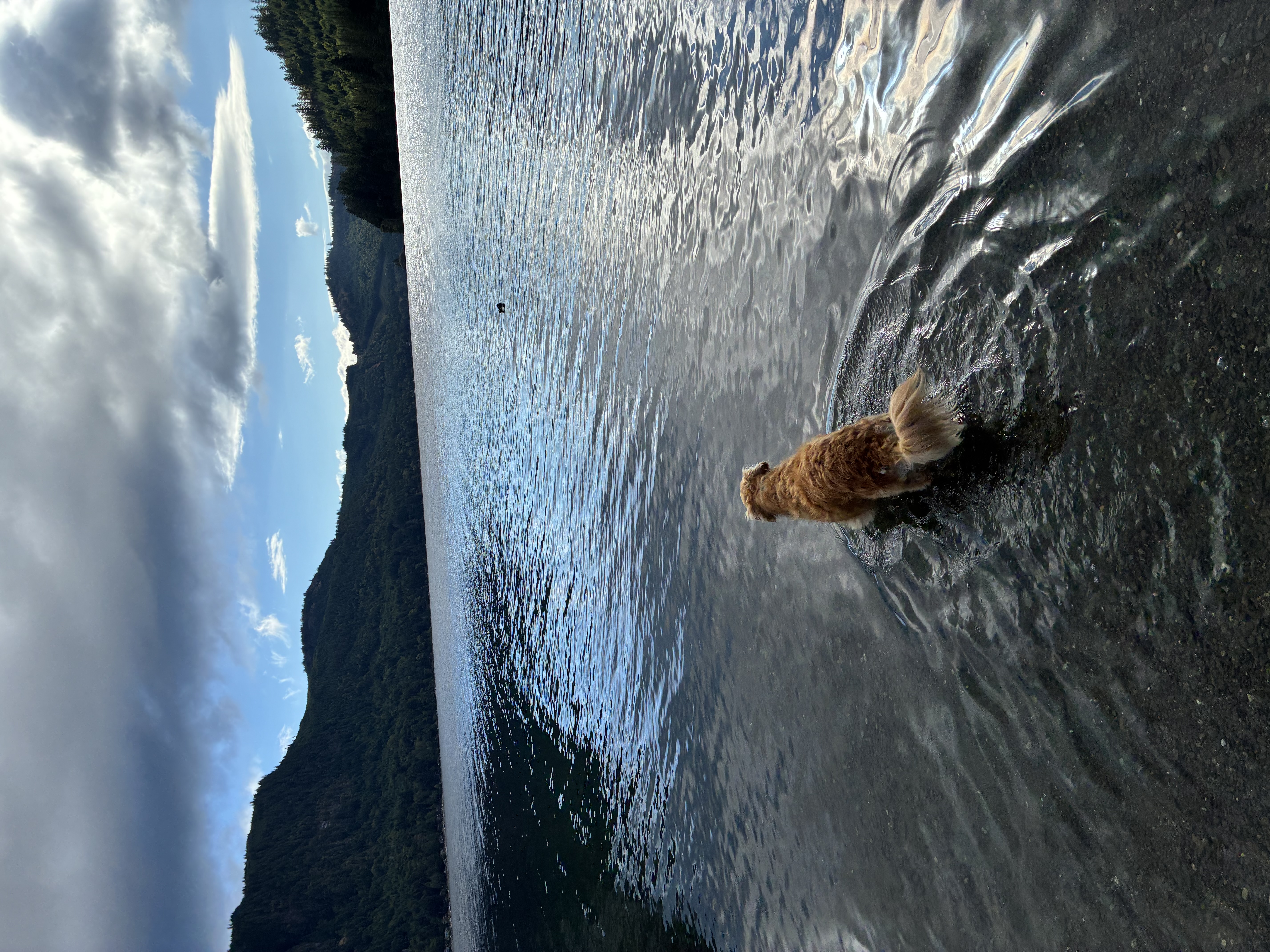
My golden retriever has two items on her agenda for this walk:
Sniff and swim.
But because she spent her first two years kept in a kennel and not able to make any decisions for herself, when our goals are at odds, I am committed to letting her lead, and I follow.
By the time we get to the turn of her favorite swimming hole only thirty yards from the parking lot, the young woman who runs is long gone, and the couple with the small pug is probably a quarter a mile ahead. We are already far behind because the intoxicating ground and foliage need intense nose-focused investigation.
When we finally get to the edges of the lake, I have one item on my agenda:
Stay and watch her swim for a really long time.
She has one item on her agenda:
Swim until some scent appears on the breeze and then immediately leave.
I think this is why many people get frustrated with taking dogs on walks - dogs have an insatiable desire to sniff. They interpret the world through their noses, and the tiniest whiff of a scent produces a dead stop or a quick turnaround to go investigate completely.
Other people on the trail progress much more quickly than I do regardless of their age or the breed of dog they walk with probably because they are more interested in getting somewhere in a timely fashion.
I am not one of those people.
Even before I had a dog, I used to wonder if I was a slow walker. But now I think the reason the sniff walk never bothers me is because I am a human golden retriever, except the sensory organs I use are not smell, but sight and sound.
I hear an unusual bird call, and I am overcome with a desire to know what bird makes that noise, and so I stop and turn on my bird identifier and listen. I watch the recording waves and wonder if I could score a bird symphony.
I notice how the light filters through the branches of an evergreen drooping over the still waters of the lake as fish ripples expand. I stop and wonder what kind of fish it is, and I think about how the ripples look like a watery prayer labyrinth and wonder if the dragonflies pray there.
As a result, today I have not yet walked a half a mile. The girl on a morning run has passed me three times. The people with the small dog are on their way back to the car. They stop to admire my dog’s beautiful golden eyelashes and her calm demeanor, and I explain that her nickname is The Philosopher. She is a thinker – not a doer.
But I think that describes us both.
We are not slow. We are curious.
We are not unfocused. We are just unconcerned about getting to a destination.
And we choose to make every slow step an embrace of wonder and every pause a prayer.
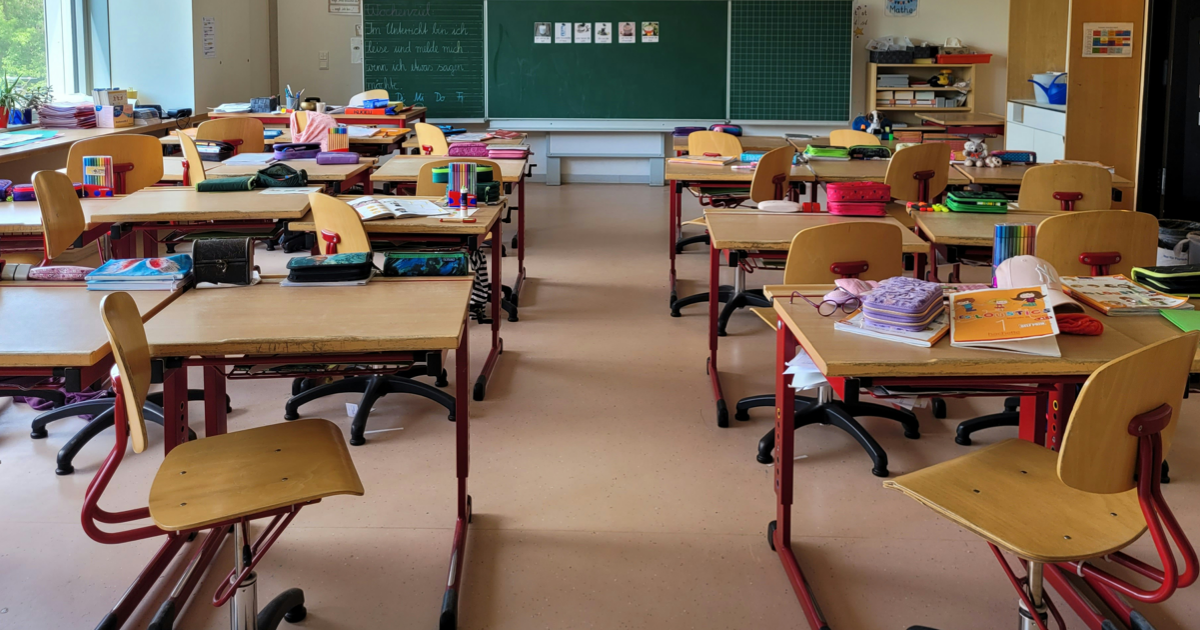
The Boy in the Back of the Room was in a state of constant restless movement. His whole body seemed to vibrate with the need to be touching anything around him with a stream of endless thoughts that he eagerly shared. He was the literal embodiment of the saying, “an object in motion tends to stay in motion.”
But here’s the thing: he was also a really sweet kid.
There was nothing in any of his behaviors that were deliberate attempts to interrupt what was happening in the classroom. And I didn’t want to quash his spirit while trying to keep the learning moving forward. So, I invited him to become a collaborator in trying to find strategies to help him be successful within the structure of a public school setting.
He wasn’t always The Boy in the Back of the Room, by the way. In fact, conventional teaching wisdom will tell you that having an interrupter closer to you can help with calming behaviors. Every week or so we would try different strategies – sitting in the front of the room, sitting on different sides, having little silent signals for when it was time to settle down, or providing classroom jobs that would make use of his boundless energy.
But finally, one day he announced he thought he would do much better in the back of the room. It was hard for me to let him move there because of the connotations of the kid you put in the back of the room, but he was his happiest and best self there, if not most calm.
But it was, after all, still a middle school classroom. And one day, all of those interrupting behaviors spread like a virus in classroom, and I found myself literally at wit’s end and not wanting to lose my mind or composure entirely.
Taking a moment of silence to center myself, I asked everyone to clear their desks of book learning for a moment as I passed around art paper and crayons. Though I knew everyone’s name, I announced we were going to make special name tags and instructed them on how to fold the paper in half so that we could make a tent for their desks. On the front side, I asked them to write their names in large letters in the middle and then in each corner, write four activities they loved.
When finished, I asked them to turn over to the back and told them a story about dreams and dream stealers. Sometimes dream stealers would be people who would tell them that their dreams were impossible or not good enough. Sometimes dream stealers would be practical and tell them to give up because they would never have the resources to achieve their dreams. And sometimes the dream stealers were simply voices in their own heads that would tell them that their dreams were not worth going for.
Those were the most dangerous of all.
When I finished the story I invited them to close their eyes and imagine a life where there were no boundaries for what they dreamed of doing, encouraging them to let go of all of the obstacles they imagined might be there and just see themselves doing what they loved. When they opened their eyes, I asked them to write in letters on the back “FUTURE _______” and then fill in the blank with what they dreamed of doing. Next, in each of the four corners, I asked them to write a good quality they possessed.
When they were done, I had them place the tented name cards on their desks with their names facing forward. Looking around the room, I read aloud some of the things that were there: soccer, cooking, playing with my dog, singing and more. Then I asked them to turn their cards around.
What greeted me was the future.
The brilliant, quiet young woman was not just a middle school student - she was a FUTURE airline pilot. The reflective young man with the great sense of humor was not just a middle school student - he was a FUTURE Bill Gates. The girl who always had said she was going to be a hairdresser when she grew up was not just a middle school student- she was a FUTURE internationally known pop singer.
And The Boy in the Back of the Room? He had written “FUTURE soldier” in large letters and underneath in parentheses, “just like my grandpa.”
Later when we were involved in an activity, I knelt by his desk to ask about the inspiration for his future. He told me how his grandfather had been a soldier most of his life, and that he would sit at his grandfather’s feet as he told stories about what it meant to be a soldier and serve your country. Then he looked up at me.
I loved my grandpa. I want to be just like him.
For the rest of the year, The Boy in the Back of the Room and the rest of the kids in the class did not change much after this activity. It was after all a typical middle school classroom. What did change was how I viewed them. I was no longer teaching hormonal teenagers navigating the complex minefield of adolescence.
I was truly teaching the future leaders of the world.
After that, whenever things went off the tracks, which in middle school happens frequently, I would ask everyone to take out their name tags and place them on the desk. As we moved back to the planned activity, I would walk to the back of the classroom to remind myself not only of their future dreams, but also to celebrate the personal qualities that showed their true natures.
Compassionate. Friendly. Determined. Helpful.
I always saved my final glance for the name tag of The Boy in the Back of the Room, where in the corners he had written:
Kind. Funny. Helpful. Hard working.
As the year progressed, whenever he caught my attention I always pictured him sitting at his grandfather‘s feet, soaking in the stories. Through that tender relationship, The Boy in the Back of the Room had learned the values of honor, service and sacrifice.
When the year ended, all the students moved on to high school, so what happened in the coming years for our FUTURE soldier is unknown to me. But in my eyes, for the rest of the year The Boy in the Back of the Room had become a young man of noble intention, eager to serve his country
and waiting, not so patiently, to someday honor the legacy of his grandfather by walking in his steps.
It would be hard these days to find the most unspeakable crime. The headlines are filled with the imprisonment or murders of innocent citizens here and abroad. Crimes against humanity go unaddressed or ignored. Honestly, my heart breaks with such regularity that I am afraid of losing to the ability to feel the depth of the pain in the world.
But then today, a man was placed next to me in a veterinarian’s office where I had gone to pick up medication for my limping dog. He and his wife had come through the door with Annie, their frightened little dog. The man worked his way with great difficulty to sit down next to me. His breathing was so labored I feared he might pass out even though he was carrying oxygen, so I asked him if he was okay.
No. But I might get there.
After his wife took in his beloved dog, I noticed he had colorful tattoos on his leathered skin, and down the inside of his right arm word were the words, “Never Forgive…” I asked him to tell me the story, and he turned over his arm to show me the words written on the other side, “Never forget.”
That was our motto in our battalion when we served in Vietnam.
Being a military brat, I asked him where he shipped out from, and it turns out it was Ford Ord, California in 1970, which is where I worked when I was in high school. I wondered if we had crossed paths and asked him how long he was in Vietnam. He did not hesitate.
365 days and nine hours.
“I bet when those nine hours ended it felt like the best day of your life to be going home…”
But it was not. He told me his personal story of what it was like to be a soldier returning from that godforsaken war - about being spit on, sneered at, and called names wherever he traveled because a military dress uniform was required when he was in public.
As he was telling his story. the receptionist motioned that my pills were ready, but I could not leave the conversation unfinished. He shared his surgeries, of which there were many, the Parkinson’s syndrome that robbed him of normal movement, and the removal of various cancers throughout his body. Unable to lie fully down, he had spent the last 12 years sleeping in a recliner. Life had become a litany of pain since that service in Vietnam, and he carried the scars not only on his physical body but on his psyche as well.
He has been deserted by his country, betrayed by a VA medical system underfunded and in disarray, and by his body - destroyed from the inside out by exposure to agent orange. And now, he wept as he shared his deepest worry that today he would lose his beloved Annie - his reason to live
When he finished his story, I took both of his trembling hands and told him I would pray for a good outcome for Annie, and then I got good eye contact and simply said, “I am sorry your country betrayed you. Thank you for serving.” He smiled deeply.
I thank you for listening to my story.
“Sir, it was an honor.”
When I got back to the car where my husband and dog awaited, a paroxysm of grief seized me.
The story told to me today was not an anomaly. It was an encapsulation of the lived experience of those who served and continue to serve in the military. Our government tells us that we need to respect our military. And I would tell you that as the daughter of a Korean war and World War II veteran and the sister of a Vietnam war veteran, respecting the military is in my DNA.
But respecting our military is simply an empty phrase if we do not honor their sacrifices and fund the care that will help soldiers emerge with greater possibility of healing from the horrors of war.
Respecting our military is an empty phrase when mothers and fathers and sons and daughters die senselessly in unjust wars.
And for me respecting our military is simply an empty phrase when we continue to send soldiers recklessly to foreign battlefields on the whims of out-of-control tyrants.
My neighbor, Miss Linda, is a fountain of wisdom whose calm way of entering into discussions always seems to provide me with unexpected insight.
Yesterday at a shared meal, I told her about recent encounters on the trail with our dog Zuni, a golden retriever who is naturally reticent about strangers. We had met a woman on a trail in Canada, and our dog uncharacteristically went up to her and started being very affectionate. The woman told us through tears that her dog had died a few weeks ago, and that today was the first day she was able to be on the trail.
Then on another trail near home, our dog became fixated on a woman walking behind us. Zuni waited for her and greeted the stranger like an old friend. When the woman passed me, I told her what an unusual behavior that was for our dog, and she too mentioned through tears that she had lost her dog a few weeks ago.
I suggested to Miss Linda, that perhaps Zuni had a sixth sense about who needed some loving dog attention because they were in mourning. Her response was, “Perhaps the dogs are still there.”
That is a possibility I had not considered.
We live in a world that is here and not here at the same time - the seen and the unseen. I walk through my days in what I believe is the “reality” of life on Earth, but there are other realms all around us into which we only get brief glimpses before returning to “reality.”
My reality today is that the neighbor I have been spending time with passed away last night. I remembered that a few days before her passing, Zuni, who for many days had not wanted to go anywhere near the home, entered freely with her tail wagging and went into the room where my friend was lying motionless. She sat down next to the bed and put her head on the covers near my friend‘s hand. That was a behavior that was so out of character I wondered if Zuni knew my neighbor’s time was near.
And now, just two days later, my neighbor is gone. At least from this realm.
When I walked down the sidewalk that connects our homes to take the dog out this morning, I felt overwhelming sadness when I passed her door, and I carried my tears back into my house and on to the couch where I sat down to write. My dog, who normally stretches out across the room from wherever I am, joined me unexpectedly on the couch. As she let me rub her head, I thought of Miss Linda’s words.
Perhaps she is still here.
After I dried my tears, I took that possibility on my trail walk this morning.
I let myself envision my neighbor walking with my dog and I, enjoying the teasels filling in with delicate violet and the blackberries turning shades of purple as they readied themselves for picking.
I let myself hear her voice and her smokey laugh as we wandered through the grassy fields in the morning’s breeze.
And I let myself feel her lavish affection flowing from that realm where grief is temporal